
Jan 29, 2017


Jan 28, 2017
This and That
This and That
Wayne Schmidt's multi-topic site covering everything from kaleidoscopes to electric rocket engines
Wayne Schmidt's multi-topic site covering everything from kaleidoscopes to electric rocket engines
Jan 26, 2017
Jan 25, 2017
Jan 22, 2017
Jan 21, 2017
Cubic Mini Wood Stoves - Mini wood stoves
Cubic Mini Wood Stoves - Mini wood stoves:
CB-1008 CUB Cubic Mini Wood Stove $337.16 USD Available in brass or black trim Mini wood stove designed to heat boats up to 40' long, cabins and RV's up to 20' long. Designed to heat spaces from 100 to 200 square feet Durable! Constructed from laser cut steel plate 1/8 to 3/16 thick! Produces 6000 to 14000 BTU's! Insulation and glass made of ceramic. Easy to install and easy to operate! Measures only 11 x 12 x 10.5! 3-inch flu pipe diameter Eco-friendly Produces very little smoke due to its secondary combustion system! Much safer than a diesel or propane heater! Removes humidity from the cabin Weight: 27 lbs Flue pipe not included This is more of our Spring and Fall model, or for spaces that are very small (less than 120 square feet) with low ceilings. Rail is easily removable, if you remove the rail, you have a cooking area of 5" from the flue to the edge of the plate and 11" side to side. Requires a clearance of 20" in all directions unless using our wall mount, or side shields. Accepts wood about 5 3/4" long. It could be cut slightly longer, but 5 3/4" allows for good airflow around the sides and it does not damage the insulation on the inside. The fire box is 5 1/2" deep x 7 5/8" wide and 6" tall
CB-1008 CUB Cubic Mini Wood Stove $337.16 USD Available in brass or black trim Mini wood stove designed to heat boats up to 40' long, cabins and RV's up to 20' long. Designed to heat spaces from 100 to 200 square feet Durable! Constructed from laser cut steel plate 1/8 to 3/16 thick! Produces 6000 to 14000 BTU's! Insulation and glass made of ceramic. Easy to install and easy to operate! Measures only 11 x 12 x 10.5! 3-inch flu pipe diameter Eco-friendly Produces very little smoke due to its secondary combustion system! Much safer than a diesel or propane heater! Removes humidity from the cabin Weight: 27 lbs Flue pipe not included This is more of our Spring and Fall model, or for spaces that are very small (less than 120 square feet) with low ceilings. Rail is easily removable, if you remove the rail, you have a cooking area of 5" from the flue to the edge of the plate and 11" side to side. Requires a clearance of 20" in all directions unless using our wall mount, or side shields. Accepts wood about 5 3/4" long. It could be cut slightly longer, but 5 3/4" allows for good airflow around the sides and it does not damage the insulation on the inside. The fire box is 5 1/2" deep x 7 5/8" wide and 6" tall
Jan 19, 2017
Jan 17, 2017
Jan 16, 2017
Gossisms about nature, woodworking, philosophy, meaning of live, simple living, joy and how not to be a victim of bad people, corrupt government and a world gone mad. - The blog of scientist and professor Dr JB Goss offers musings on nature and natural history, philosophy, meaning of life, indendent living and man's quest for meaning. How to get what you need. The enemies of the working man.

Jan 15, 2017

Jan 14, 2017

Jan 13, 2017
Jan 12, 2017
Jan 11, 2017

Jan 10, 2017
Sawing Logs to Achieve Different Grain Patterns - Ask Matt #11
Nice explanation of techniques of sawing... :-)
Dead Red Oak Tree Will Earn $10,000++ at Timbergreen Farm
Timbergreen Farm - We let our good trees grow as long as they are healthy and vigorous, but when a big tree dies from Oak Wilt - it is mature and we can earn a good income, making flooring and selling finished wood products direct to our customers. www.TimbergreenFarm.com has the details.
James Birkemeier - YouTube
James Birkemeier - YouTube
Great source of information on Farm timber management
Great source of information on Farm timber management
Jan 9, 2017
How to sharpen chainsaw chain and save time and money or earn money
GREAT ADVICE !!! Cleaning chain, Depth gage setting and grinding... Use Diamond Wheel Cutter in sharpener for consistent contour!
MagSwitch Starter Kit and Featherboard Woodworking Magnetic Jigs Review
Great addition for al steel and cast iron table tools/machines
Buckminster Fuller - Everything I Know - session 01 (entire) - January ...
This was a great great great man!!! If you want a real learning experience watch this play list of about 17 hours (recompiled and edited version of the Bucky videos Buckminster Fuller - Everything I Know) - https://www.youtube.com/watch?v=o6yaSLipeWg... - It was one of the greatest educational experiences of my lifetime!!!
Jan 8, 2017

Jan 5, 2017
HUMAN HEALTH AND SOIL FERTILITY 1950s FILM WITH DR. WILLIAM A ALBRECHT 42594 - YouTube
Facts vs. Fiction
Published on Jun 2, 2016
This 1950s film made by the Calvin Company and presented by Philipps Petroleum Company, features professor William A. Albrecht. Dr. Albrecht explains in the film how ''dumb animals'' such as the goat and the cow, always know which plants are healthier for them. This classic film presents Dr. Albrecht's pioneering work exposing the connection between animal and human health and soil fertility. The film shows images of sick Americans and children problems in their teeth requiring dentistry, and adults addicted to prescription drugs. "Is there a connection between human an animal health? One man who pondered these questions was Dr. William A. Albrecht of the University of Missouri..."
William A. Albrecht (1888–1974) PhD, Chairman of the Department of Soils at the University of Missouri, was the foremost authority on the relation of soil fertility to human health and earned four degrees from the University of Illinois. As emeritus Professor of Soils at the University of Missouri he saw a direct link between soil quality, food quality and human health. He drew direct connections between poor quality forage crops, and ill health in livestock and from this developed a formula for ideal ratios of cations in the soil, the Base Cation Saturation Ratio. While he did not discover cation exchange in the soil as is sometimes supposed, he may have been the first to associate it with colloidal clay particles. He served as 1939 President of the Soil Science Society of America.
Twenty years before the phrase 'environmental concern' crept into the national consciousness, he was lecturing from coast to coast on the broad topic of agricultural ecology.
" The soil is the ‘creative material’ of most of the basic needs of life. Creation starts with a handful of dust.” Dr. William A. Abrecht.
Albrecht was a devout agronomist, the foremost authority on the relation of soil fertility to human health and earned four degrees from the University of Illinois. He became emeritus Professor of Soils at the University of Missouri. Dr. Albrecht saw a direct link between soil quality and food quality, drawing direct connection between poor quality forage crops, and ill health in livestock.
From the late 1930s, as Chairman of the Department of Soils at the University of Missouri, he began work at the Missouri Agricultural Experiment Station investigating cation ratios and the growth of legumes. He had been investigating cattle nutrition, having observed that certain pastures seemed conducive to good health, and at some point he came to the conclusion that the ideal balance of cations in the soil was "H, 10%; Ca, 60 to 75%; Mg, 10 to 20%; K, 2 to 5%; Na, 0.5 to 5.0%; and other cations, 5%".
While Albrecht was a highly respected soil scientist, he discounted soil pH, stating that "plants are not sensitive to, or limited by, a particular pH value of the soil." Instead, he believed that the benefits of liming soil stem from the additional calcium available to the plant, not the increase in pH. This belief has continued to be held by followers to this day, despite much evidence to the contrary. Like much of the early research into BCSR where soil pH was not controlled, it is difficult to draw solid conclusions from Albrecht's research in support of BCSR.
"..."You have to have a vision. Unless you do, nature will never reveal herself." Dr William A Albrecht.
Throughout his life, Albrecht looked to nature to learn what optimizes soil, and attributing many common livestock diseases directly to those animals being fed poor quality feeds. He observed that :
"...“Food is fabricated soil fertility.”
Albrecht was a prolific author of reports, books and articles that span several decades, starting with his reports on nitrogen fixation and soil inoculation in 1919.
Albrecht was outspoken on matters of declining soil fertility, having identified that it was due to a lack of organic material, major elements, and trace minerals, and was thus responsible for poor crops and in turn for pathological conditions in animals fed deficient foods from such soils.
He laid the blame as:
"NPK formulas, (nitrogen, phosphorus, potassium) as legislated and enforced by State Departments of Agriculture, mean malnutrition, attack by insects, bacteria and fungi, weed takeover, crop loss in dry weather, and general loss of mental acuity in the population, leading to degenerative metabolic disease and early death.
This film is part of the Periscope Film LLC archive, one of the largest historic military, transportation, and aviation stock footage collections in the USA. Entirely film backed, this material is available for licensing in 24p HD and 2k. For more information visit http://www.PeriscopeFilm.com
Jan 1, 2017
MKIII, Small Log Mill and Mini Mill demo
Great demonstration of Grandberg different Mills
We have all three of them to harvest salvage farm timber
May 1, 2015
Inhabit - Official Trailer - YouTube
Yekra Player
Yekra is a revolutionary new distribution network for feature films.
Inhabit
Humanity is more than ever threatened by its own actions; we hear a lot about the need to minimize footprints and to reduce our impact. But what if our footprints were beneficial? What if we could meet human needs while increasing the health and well-being of our planet? This is the premise behind permaculture: a design process based on the replication of patterns found in nature. INHABIT explores the many environmental issues facing us today and examines solutions that are being applied using the ecological design lens of permaculture. Focused mostly on the Northeastern and Midwestern regions of the United States, Inhabit provides an intimate look at permaculture peoples and practices ranging from rural, suburban, and urban landscapes.
Beautiful Portrait of Permaculture’s Potential (Video)
A great intro and overview of the practice and principles of this design science. A must watch or buy film. It could change your life and those close to you. :-)
Yekra is a revolutionary new distribution network for feature films.
Inhabit
Humanity is more than ever threatened by its own actions; we hear a lot about the need to minimize footprints and to reduce our impact. But what if our footprints were beneficial? What if we could meet human needs while increasing the health and well-being of our planet? This is the premise behind permaculture: a design process based on the replication of patterns found in nature. INHABIT explores the many environmental issues facing us today and examines solutions that are being applied using the ecological design lens of permaculture. Focused mostly on the Northeastern and Midwestern regions of the United States, Inhabit provides an intimate look at permaculture peoples and practices ranging from rural, suburban, and urban landscapes.
Apr 10, 2015
Planting Bare Root Trees - Pecan and Maple - YouTube
Planting Bare Root Trees - Pecan and Maple - YouTube
http://www.plantmegreen.com/collectio...
Most people don't know about bare root shipping of trees. Not only is it economical to ship them this way, but since the tree is dormant the likelihood of shock is less. So the tree has a great chance at thriving in its new location.
Most people don't know about bare root shipping of trees. Not only is it economical to ship them this way, but since the tree is dormant the likelihood of shock is less. So the tree has a great chance at thriving in its new location.
Oct 20, 2014
Some Hines Farm Activities and Photos Summer and Fall 2014
Photos taken - Pretty Fall Day (10-19-2014)
Hines Farm, Lake George, and Vicinity
WATCH IN HD SETTING!!!
Photos taken of Hines Farm and Vicinity
Late Summer 2014
Watch in HD Setting!!!
Watch in HD Setting!!!
Grandson James Garrison Skinning and Dressing Nice 6 Point Buck
Watch in HD Setting!!!

Processing Meat - Jeremy, Jimmy, and Monica + Diesel watching

Smoking

Monica Smoking Meat and Staying Warm!

Smoking 60 pounds of Deer Sausage with some apple wood!
20 - 3 pound tubes
Homemade Apple-Cheese-Jalapeno Pepper-Deer Sausage
Aug 24, 2014
Joel Salatin (Food Film Festival 2014 Keynote) - YouTube
Aug 23, 2014
Aug 13, 2014
Rachel Carson's Legacy: The Silent Spring Series - Exploring Ethics - YouTube
Published on Jan 10, 2013
Author and philosopher Mitchell Thomashow explores the impact of Rachel Carson, often cited as the founder of the modern environmental movement in the United States. Thomashow weaves Carson's story with the ecological challenges that face us today, including climate change, threats to biodiversity and altered biogeochemical cycles. Thomashow is presented as part of the Silent Spring Series, sponsored by the Center for Ethics in Science and Technology in San Diego. Series: "UCverse Climate Change"
Published on Apr 18, 2013
Historical clips on DDT, Rachel Carson and science explaining why humans pollute. Video put together for the MSc in Environmental Technology.
Published on Nov 8, 2012
(Visit: http://www.uctv.tv) To mark the 50th anniversary of "Silent Spring," Rachel Carson's landmark book that helped launch the environmental movement, the Center for Ethics in Science and Technology presents
"Alternatives to Insecticides: High Impact Solutions Without Environmental Trade-offs." In this talk, Stephen Welter of San Diego State University focuses on biologically based alternatives to insecticide use in American agriculture that also consider non-target environmental effects, worker safety issues, and consumer needs as well as the more traditional models of economic trade-offs. Series: "Exploring Ethics"
Published on Nov 8, 2012
(Visit: http://www.uctv.tv) To mark the 50th anniversary of "Silent Spring," Rachel Carson's landmark book that helped launch the environmental movement, the Center for Ethics in Science and Technology presents
"Alternatives to Insecticides: High Impact Solutions Without Environmental Trade-offs." In this talk, Stephen Welter of San Diego State University focuses on biologically based alternatives to insecticide use in American agriculture that also consider non-target environmental effects, worker safety issues, and consumer needs as well as the more traditional models of economic trade-offs. Series: "Exploring Ethics"
HISTORY REPEATING ITSELF..........WE SEEM NEVER TO LEARN FROM HISTORY VERY LONG... Monte Hines
Related Links:
- Rachel Carson's Legacy: The Silent Spring Series - Exploring Ethics - YouTube
- http://www.filmsforaction.org/articles/why-arent-we-teaching-rachel-carson-in-schools/
- http://www.nytimes.com/2012/09/23/magazine/how-silent-spring-ignited-the-environmental-movement.html?pagewanted=all&_r=0
- https://www.youtube.com/watch?v=xUBQQHf9_kI&list=PLoHBb0kSxlxS44UhhWRraW6IJGtvP6hTy
Aug 6, 2014
Best Healing Herbs: Top 10 - Prevention.com
Science shows these herbal power-healers can help ease pain, prevent Alzheimer's, and ward off cancer and heart disease
By Nancy Kalish

Your arsenal of home remedies is about to get a lot spicier with these best healing herbs. Though herbs have been used for hundreds of years to heal, scientists are finally starting to substantiate these plants' abilities to alleviate arthritis pain, reduce high blood sugar and cholesterol, and help with many other conditions. They're even discovering amazing new powers in the best healing herbs, such as the ability to kill cancer cells and help problem drinkers curb their alcohol intake.
"Herbs and other natural remedies can be as effective as traditional treatments, often without the same negative side effects," says Roberta Lee, MD, medical director of the Continuum Center for Health and Healing at Beth Israel Medical Center in New York City.
Here are 10 superhealers you'll want to add to the all-natural section of your medicine cabinet—and even to your favorite recipes. Folding one or two of them into your cooking every day can yield big benefits.

Turmeric: Ease arthritis
A heaping helping of curry could relieve your pain. That's because turmeric, a spice used in curry, contains curcumin, a powerful anti-inflammatory that works similarly to Cox-2 inhibitors, drugs that reduce the Cox-2 enzyme that causes the pain and swelling of arthritis, says Lee.
It might also: Prevent colon cancer and Alzheimer's disease. According to a small clinical trial conducted by the Johns Hopkins University School of Medicine, curcumin can help shrink precancerous lesions known as colon polyps, when taken with a small amount of quercetin, a powerful antioxidant found in onions, apples, and cabbage. The average number of polyps dropped more than 60% and those that remained shrank by more than 50%. In a 2006 study published in the Journal of Alzheimer's Disease, researchers at UCLA also found that curcumin helps clear the brain of the plaques that are characteristic of the disease.
Maximize the benefits: For general health, Lee recommends adding the spice to your cooking whenever possible. For a therapeutic dose, James A. Duke, PhD, author of The Green Pharmacy, suggests 400 mg of curcumin extract three times daily, right in line with what subjects in the colon polyp study took (480 mg of curcumin and 20 mg of quercetin, three times a day).

Cinnamon: Lower blood sugar
In a recent German study of type 2 diabetics, taking cinnamon extract daily successfully reduced blood sugar by about 10%.
It might also: Lower cholesterol. Cinnamon packs a one-two punch for people with type 2 diabetes by reducing related heart risks. In another study of diabetics, it slashed cholesterol by 13% and triglycerides by 23%.
Maximize the benefits: To tame blood sugar, study subjects took 1 g capsules of standardized cinnamon extract daily, while those in the cholesterol study took 1 to 6 g. But keep in mind that a large amount of the actual spice can be dangerous, so stick with a water-soluble extract. Terry Graedon, PhD, coauthor with her husband, Joe, of Best Choices from the People's Pharmacy, recommends the brand Cinnulin PF.

Rosemary: Avoid carcinogens
Frying, broiling, or grilling meats at high temperatures creates HCAs (heterocyclic amines), potent carcinogens implicated in several cancers. But HCA levels are significantly reduced when rosemary extract (a common powder) is mixed into beef before cooking, say Kansas State University researchers. "Rosemary contains carnosol and rosemarinic acid, two powerful antioxidants that destroy the HCAs," explains lead researcher J. Scott Smith, PhD.
It might also: Stop tumors. Rosemary extract helps prevent carcinogens that enter the body from binding with DNA, the first step in tumor formation, according to several animal studies. When researchers at the University of Illinois at Urbana-Champaign fed rosemary extract to rats exposed to dimethylbenzanthracene, a carcinogen that causes breast cancer, both DNA damage and tumors decreased. "Human research needs to be done," says study author Keith W. Singletary, PhD. "But rosemary has shown a lot of cancer-protective potential."
Maximize the benefits: To reduce HCAs, Smith recommends marinating foods in any supermarket spice mix that contains rosemary as well as one or more of the spices thyme, oregano, basil, garlic, onion, or parsley.

Ginger: Avert nausea
Ginger can prevent stomach upset from many sources, including pregnancy, motion sickness, andchemotherapy. "This is one of Mom's remedies that really works," says Suzanna M. Zick, ND, MPH, a research investigator at the University of Michigan. A powerful antioxidant, ginger works by blocking the effects of serotonin, a chemical produced by both the brain and stomach when you're nauseated, and by stopping the production of free radicals, another cause of upset in your stomach. In one study of cruise ship passengers traveling on rough seas, 500 mg of ginger every 4 hours was as effective as Dramamine, the commonly used OTC motion-sickness medication. In another study, where subjects took 940 mg, it was even more effective than the drug.
MORE: The Smoothie Cure For Gas And Bloating
It might also: Decrease your blood pressure, arthritis pain, and cancer risk. Ginger helps regulate blood flow, which may lower blood pressure, says Zick, and its anti-inflammatory properties might help ease arthritis. Ginger extract had a significant effect on reducing pain in all 124 patients withosteoarthritis of the knee, in a study conducted at the Miami Veterans Affairs Medical Center and the University of Miami. Those same anti-inflammatory powers help powdered ginger kill ovarian cancer cells as well as—or better than—traditional chemotherapy, at least in the test tube, found a study by the University of Michigan Comprehensive Cancer Center. Although further testing is needed, Zick and the study's authors are excited about its prospects: "Our preliminary results indicate that ginger may have significant therapeutic benefit for ovarian cancer patients."
Maximize the benefits: For nausea, ginger is best taken before symptoms start, at least 30 minutes before departure, say the Graedons. They recommend capsules containing 500 to 1,000 mg of dried ginger every four hours, up to a maximum of 4g daily.

Holy Basil: Combat stress
Several animal studies back holy basil, a special variety of the plant you use in your pesto sauce, as effective at reducing stress by increasing adrenaline and noradrenaline and decreasing serotonin. This is no surprise to Pratima Nangia-Makker, PhD, a researcher at the Barbara Ann Karmanos Cancer Institute in Detroit, whose mother and grandmother relied on a tea made from the leaves of holy basil to relieve indigestion and headaches.
It might also: Inhibit breast cancer. First in test tubes and then in mice, a tea made of holy basil shrunk tumors, reduced their blood supply, and stopped their spread, found Nangia-Makker, who plans to study the effects in humans.
Maximize the benefits: For stress relief, try holy basil extract from New Chapter or Om Organics, widely available in health food stores. To aid in breast cancer treatment, Nangia-Makker advises drinking this tea daily: Pour 2 cups boiling water over 10 to 15 fresh holy basil leaves (other varieties of basil won't work) and steep 5 minutes. Remove the leaves before consuming. If you are being treated for breast cancer, be sure to check with your doctor. You're unlikely to find the plants at your local nursery, but you can order them and organic holy basil seeds from Horizon Herbs.

St. John's Wort: Soothe your worries
You probably know that research has confirmed this herb's power to relieve mild to moderate depression and anxiety as effectively as many drugs—without a lot of the side effects.
It might also: Help you snooze more soundly. St. John's wort not only contains melatonin, the hormone that regulates our sleep-wake cycles, but it also increases the body's own melatonin, improving sleep, says a report from the Surgeon General. (These 20 ways to sleep better every night can also help.)
Maximize the benefits: For both mood and sleep problems, author Duke recommends a supplement containing at least 0.3% hypericin (the active phytochemical) per capsule or 300 mg of the extract to be taken three times daily. Warning: St. John's wort has been shown to interact with several prescription medications, so be sure to check with your doctor before taking it.

Garlic: Lower cancer risk
High consumption of garlic lowered rates of ovarian, colorectal, and other cancers, says a research review in the American Journal of Clinical Nutrition. A Japanese clinical trial also found that after a year of taking aged garlic extract supplements, people with a history of colon polyps saw a reduction in the size and number of the precancerous growths detected by their doctors.
It might also: Provide cardiovascular benefits. Garlic contains more than 70 active phytochemicals, including allicin, which many studies have shown decreases high blood pressure by as much as 30 points. Garlic may help prevent strokes as well by slowing arterial blockages, according to a yearlong clinical study at UCLA. In addition, patients' levels of homocysteine, a chemical that leads to plaque buildup, dropped by 12%.
Maximize the benefits: Crushed fresh garlic offers the best cardiovascular and cancer-fighting benefits, says Duke. But you'll need to down up to five cloves each day. Try Kyolic aged garlic extract capsules (1,000 mg), the product used in many of the studies.
3 More Superhealers You Should Know About
1. Andrographis: Shorten Summer Colds Andrographis does a great job of relieving upper-respiratory infections, such as colds or sinusitis, says new research. A study in the journal Phytomedicinereported that the herb eased symptoms such as fatigue, sleeplessness, sore throat, and runny nose up to 90%.
Maximize the benefits: Lee and the Graedons recommend Kan Jang (available at ProActive BioProducts), an herbal extract produced by the Swedish Herbal Institute and used in several of the trials.
2. Sea Buckthorn: Reverse vaginal dryness Sea buckthorn (Hippophae rhamnoides) is very effective for hydrating mucous membranes and alleviating vaginal dryness. It contains palmitoleic acid, a fatty acid found in human skin that helps moisturize and heal it.
Maximize the benefits: Lee suggests up to four capsules a day of Supercritical Omega 7, a sea buckthorn supplement by New Chapter. It's available at health food stores.
3. Kudzu: Curb problem drinking A group of moderately heavy drinkers in their 20s voluntarily cut their beer consumption in half after taking capsules containing the Chinese herb (also called Pueraria lobata) for a week, according to a study published in Alcoholism: Clinical and Experimental Research. Researchers say the kudzu more quickly allows alcohol to get to the part of the brain that tells you that you've had enough.
Maximize the benefits: Participants took capsules with 500 mg of kudzu extract three times daily.
3 Rules For The Safest Self-Healing
Natural substances often work like drugs in the body, say Joe and Terry Graedon. They suggest following these precautions.
Rule: Don't assume it's safe. Herbs are not regulated by the FDA for safety or efficacy. So search the label for a seal of approval from the USP (United States Pharmacopeia) or CL (Consumer-Lab.com), which indicates it has been approved by certified academic laboratories. For a fee, you can research particular products at ConsumerLab.com.
Rule: Talk with your doctor. It's best to tell him if you're considering supplements. Some herbs can interact with certain meds, including those for high blood pressure, diabetes, and depression, as well as blood thinners and even OTC drugs.
Rule: Don't overdo it. More isn't necessarily better—and could be dangerous. Always follow dosing instructions.
MORE: 25 Healing Herbs You Can Use Every Day
Best Healing Herbs: Top 10 - Prevention.com
By Nancy Kalish
Your arsenal of home remedies is about to get a lot spicier with these best healing herbs. Though herbs have been used for hundreds of years to heal, scientists are finally starting to substantiate these plants' abilities to alleviate arthritis pain, reduce high blood sugar and cholesterol, and help with many other conditions. They're even discovering amazing new powers in the best healing herbs, such as the ability to kill cancer cells and help problem drinkers curb their alcohol intake.
"Herbs and other natural remedies can be as effective as traditional treatments, often without the same negative side effects," says Roberta Lee, MD, medical director of the Continuum Center for Health and Healing at Beth Israel Medical Center in New York City.
Here are 10 superhealers you'll want to add to the all-natural section of your medicine cabinet—and even to your favorite recipes. Folding one or two of them into your cooking every day can yield big benefits.
Turmeric: Ease arthritis
A heaping helping of curry could relieve your pain. That's because turmeric, a spice used in curry, contains curcumin, a powerful anti-inflammatory that works similarly to Cox-2 inhibitors, drugs that reduce the Cox-2 enzyme that causes the pain and swelling of arthritis, says Lee.
It might also: Prevent colon cancer and Alzheimer's disease. According to a small clinical trial conducted by the Johns Hopkins University School of Medicine, curcumin can help shrink precancerous lesions known as colon polyps, when taken with a small amount of quercetin, a powerful antioxidant found in onions, apples, and cabbage. The average number of polyps dropped more than 60% and those that remained shrank by more than 50%. In a 2006 study published in the Journal of Alzheimer's Disease, researchers at UCLA also found that curcumin helps clear the brain of the plaques that are characteristic of the disease.
Maximize the benefits: For general health, Lee recommends adding the spice to your cooking whenever possible. For a therapeutic dose, James A. Duke, PhD, author of The Green Pharmacy, suggests 400 mg of curcumin extract three times daily, right in line with what subjects in the colon polyp study took (480 mg of curcumin and 20 mg of quercetin, three times a day).
Cinnamon: Lower blood sugar
In a recent German study of type 2 diabetics, taking cinnamon extract daily successfully reduced blood sugar by about 10%.
It might also: Lower cholesterol. Cinnamon packs a one-two punch for people with type 2 diabetes by reducing related heart risks. In another study of diabetics, it slashed cholesterol by 13% and triglycerides by 23%.
Maximize the benefits: To tame blood sugar, study subjects took 1 g capsules of standardized cinnamon extract daily, while those in the cholesterol study took 1 to 6 g. But keep in mind that a large amount of the actual spice can be dangerous, so stick with a water-soluble extract. Terry Graedon, PhD, coauthor with her husband, Joe, of Best Choices from the People's Pharmacy, recommends the brand Cinnulin PF.
Rosemary: Avoid carcinogens
Frying, broiling, or grilling meats at high temperatures creates HCAs (heterocyclic amines), potent carcinogens implicated in several cancers. But HCA levels are significantly reduced when rosemary extract (a common powder) is mixed into beef before cooking, say Kansas State University researchers. "Rosemary contains carnosol and rosemarinic acid, two powerful antioxidants that destroy the HCAs," explains lead researcher J. Scott Smith, PhD.
It might also: Stop tumors. Rosemary extract helps prevent carcinogens that enter the body from binding with DNA, the first step in tumor formation, according to several animal studies. When researchers at the University of Illinois at Urbana-Champaign fed rosemary extract to rats exposed to dimethylbenzanthracene, a carcinogen that causes breast cancer, both DNA damage and tumors decreased. "Human research needs to be done," says study author Keith W. Singletary, PhD. "But rosemary has shown a lot of cancer-protective potential."
Maximize the benefits: To reduce HCAs, Smith recommends marinating foods in any supermarket spice mix that contains rosemary as well as one or more of the spices thyme, oregano, basil, garlic, onion, or parsley.
Ginger: Avert nausea
Ginger can prevent stomach upset from many sources, including pregnancy, motion sickness, andchemotherapy. "This is one of Mom's remedies that really works," says Suzanna M. Zick, ND, MPH, a research investigator at the University of Michigan. A powerful antioxidant, ginger works by blocking the effects of serotonin, a chemical produced by both the brain and stomach when you're nauseated, and by stopping the production of free radicals, another cause of upset in your stomach. In one study of cruise ship passengers traveling on rough seas, 500 mg of ginger every 4 hours was as effective as Dramamine, the commonly used OTC motion-sickness medication. In another study, where subjects took 940 mg, it was even more effective than the drug.
MORE: The Smoothie Cure For Gas And Bloating
It might also: Decrease your blood pressure, arthritis pain, and cancer risk. Ginger helps regulate blood flow, which may lower blood pressure, says Zick, and its anti-inflammatory properties might help ease arthritis. Ginger extract had a significant effect on reducing pain in all 124 patients withosteoarthritis of the knee, in a study conducted at the Miami Veterans Affairs Medical Center and the University of Miami. Those same anti-inflammatory powers help powdered ginger kill ovarian cancer cells as well as—or better than—traditional chemotherapy, at least in the test tube, found a study by the University of Michigan Comprehensive Cancer Center. Although further testing is needed, Zick and the study's authors are excited about its prospects: "Our preliminary results indicate that ginger may have significant therapeutic benefit for ovarian cancer patients."
Maximize the benefits: For nausea, ginger is best taken before symptoms start, at least 30 minutes before departure, say the Graedons. They recommend capsules containing 500 to 1,000 mg of dried ginger every four hours, up to a maximum of 4g daily.
Holy Basil: Combat stress
Several animal studies back holy basil, a special variety of the plant you use in your pesto sauce, as effective at reducing stress by increasing adrenaline and noradrenaline and decreasing serotonin. This is no surprise to Pratima Nangia-Makker, PhD, a researcher at the Barbara Ann Karmanos Cancer Institute in Detroit, whose mother and grandmother relied on a tea made from the leaves of holy basil to relieve indigestion and headaches.
It might also: Inhibit breast cancer. First in test tubes and then in mice, a tea made of holy basil shrunk tumors, reduced their blood supply, and stopped their spread, found Nangia-Makker, who plans to study the effects in humans.
Maximize the benefits: For stress relief, try holy basil extract from New Chapter or Om Organics, widely available in health food stores. To aid in breast cancer treatment, Nangia-Makker advises drinking this tea daily: Pour 2 cups boiling water over 10 to 15 fresh holy basil leaves (other varieties of basil won't work) and steep 5 minutes. Remove the leaves before consuming. If you are being treated for breast cancer, be sure to check with your doctor. You're unlikely to find the plants at your local nursery, but you can order them and organic holy basil seeds from Horizon Herbs.
St. John's Wort: Soothe your worries
You probably know that research has confirmed this herb's power to relieve mild to moderate depression and anxiety as effectively as many drugs—without a lot of the side effects.
It might also: Help you snooze more soundly. St. John's wort not only contains melatonin, the hormone that regulates our sleep-wake cycles, but it also increases the body's own melatonin, improving sleep, says a report from the Surgeon General. (These 20 ways to sleep better every night can also help.)
Maximize the benefits: For both mood and sleep problems, author Duke recommends a supplement containing at least 0.3% hypericin (the active phytochemical) per capsule or 300 mg of the extract to be taken three times daily. Warning: St. John's wort has been shown to interact with several prescription medications, so be sure to check with your doctor before taking it.
Garlic: Lower cancer risk
High consumption of garlic lowered rates of ovarian, colorectal, and other cancers, says a research review in the American Journal of Clinical Nutrition. A Japanese clinical trial also found that after a year of taking aged garlic extract supplements, people with a history of colon polyps saw a reduction in the size and number of the precancerous growths detected by their doctors.
It might also: Provide cardiovascular benefits. Garlic contains more than 70 active phytochemicals, including allicin, which many studies have shown decreases high blood pressure by as much as 30 points. Garlic may help prevent strokes as well by slowing arterial blockages, according to a yearlong clinical study at UCLA. In addition, patients' levels of homocysteine, a chemical that leads to plaque buildup, dropped by 12%.
Maximize the benefits: Crushed fresh garlic offers the best cardiovascular and cancer-fighting benefits, says Duke. But you'll need to down up to five cloves each day. Try Kyolic aged garlic extract capsules (1,000 mg), the product used in many of the studies.
3 More Superhealers You Should Know About
1. Andrographis: Shorten Summer Colds Andrographis does a great job of relieving upper-respiratory infections, such as colds or sinusitis, says new research. A study in the journal Phytomedicinereported that the herb eased symptoms such as fatigue, sleeplessness, sore throat, and runny nose up to 90%.
Maximize the benefits: Lee and the Graedons recommend Kan Jang (available at ProActive BioProducts), an herbal extract produced by the Swedish Herbal Institute and used in several of the trials.
2. Sea Buckthorn: Reverse vaginal dryness Sea buckthorn (Hippophae rhamnoides) is very effective for hydrating mucous membranes and alleviating vaginal dryness. It contains palmitoleic acid, a fatty acid found in human skin that helps moisturize and heal it.
Maximize the benefits: Lee suggests up to four capsules a day of Supercritical Omega 7, a sea buckthorn supplement by New Chapter. It's available at health food stores.
3. Kudzu: Curb problem drinking A group of moderately heavy drinkers in their 20s voluntarily cut their beer consumption in half after taking capsules containing the Chinese herb (also called Pueraria lobata) for a week, according to a study published in Alcoholism: Clinical and Experimental Research. Researchers say the kudzu more quickly allows alcohol to get to the part of the brain that tells you that you've had enough.
Maximize the benefits: Participants took capsules with 500 mg of kudzu extract three times daily.
3 Rules For The Safest Self-Healing
Natural substances often work like drugs in the body, say Joe and Terry Graedon. They suggest following these precautions.
Rule: Don't assume it's safe. Herbs are not regulated by the FDA for safety or efficacy. So search the label for a seal of approval from the USP (United States Pharmacopeia) or CL (Consumer-Lab.com), which indicates it has been approved by certified academic laboratories. For a fee, you can research particular products at ConsumerLab.com.
Rule: Talk with your doctor. It's best to tell him if you're considering supplements. Some herbs can interact with certain meds, including those for high blood pressure, diabetes, and depression, as well as blood thinners and even OTC drugs.
Rule: Don't overdo it. More isn't necessarily better—and could be dangerous. Always follow dosing instructions.
MORE: 25 Healing Herbs You Can Use Every Day
Best Healing Herbs: Top 10 - Prevention.com
Aug 2, 2014
Dr. Mercola Interviews Joel Salatin - YouTube
http://articles.mercola.com/sites/art...
Internationally renowned natural health physician and Mercola.com founder, Dr. Joseph Mercola interviews Joel Salatin of Polyface Farm.
Aug 1, 2014
The power of properly managing livestock to reverse desertification - Allan Savory Presenting at Harvard Law School - YouTube

Published on Jan 8, 2014
Ecologist, Allan Savory, speaks to a crowd of 200 at an event sponsored by Harvard Food and Law Society. Allan talks about the nature of humanity, and the power of properly managing livestock to reverse desertification.
Allan Savory Presenting at Harvard Law School - YouTube
Jul 18, 2014
The Next Economy (Updated 2014) - YouTube
Transitions from Globalization to Eco-Localism
www.tompkinsconservation.org
Reading List
Becoming an effective activist requires understanding complex sets of issues in depth, and in a full context. We believe that developing and refining one’s worldview—how one understands the root causes of the current, global ecosocial crisis—creates the foundation for more specific, strategic work to ameliorate the problems facing nature and people.
This reading list is just a start, and a work in progress. Not included are books we have published; for a list of those works, see here.
|
The Next Economy (Updated 2014) - YouTube
Getting Soil Data from the USDA Web Soil Survey
Posted July 18, 2014 by Andrew Schreiber
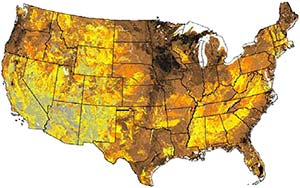
Soil is one of the basic resources that we have when beginning to work with land. Along with water, climatic patterns, and existing ecosystems, soils form the canvas on which we paint our agro-ecological life support systems.
In the US the Web Soil Survey (WSS) managed by the US Department of Agriculture’s Natural Resource Conservation Service operates one of the largest soil resource information systems in the world.
Soils of more than 95% of the counties in the continental United States have been mapped as part of the National Cooperative Soil Survey. That data is available online through an easy to use map-interface, and a wide range of data is freely available for download as a (well formulated) PDF or as tabulated and spatial data for Geographical Information Systems (GIS) program.
In this article I’ll show you how to navigate the WSS interface, and where to find soil data which is most relevant for initial site assessments for permaculture design. --> Full Article: Getting Soil Data from the USDA Web Soil Survey
In the US the Web Soil Survey (WSS) managed by the US Department of Agriculture’s Natural Resource Conservation Service operates one of the largest soil resource information systems in the world.
Soils of more than 95% of the counties in the continental United States have been mapped as part of the National Cooperative Soil Survey. That data is available online through an easy to use map-interface, and a wide range of data is freely available for download as a (well formulated) PDF or as tabulated and spatial data for Geographical Information Systems (GIS) program.
In this article I’ll show you how to navigate the WSS interface, and where to find soil data which is most relevant for initial site assessments for permaculture design. --> Full Article: Getting Soil Data from the USDA Web Soil Survey
Jul 15, 2014
J. Baird Callicott '63 - "Judeo-Christianity, Zen Buddhism, and Environmental Ethics" - YouTube
American philosopher J. Baird Callicott describes the development of secular environmental ethics and comparative religious environmentalism, two approaches to environmental ethics that continue to define how we think about a sustainable world.Callicott is one of the great scholars of Aldo Leopold’s work, and someone who continues to develop his “land ethic.” Leopold has been an inspiration to me personally, and I’m pleased to share that later this year my wife Steph and I will be participating in one of the Aldo Leopold Foundation‘s Land Ethic Leader training programs. This is something I’ve been looking forward to for a long time, and I’ll have more to say about it once we complete it. In the meantime, you can find out more about the Aldo Leopold Foundation at www.aldoleopold.org.
Read more: http://www.patheos.com/blogs/dannyfisher/2014/07/j-baird-callicott-on-judeo-christianity-zen-buddhism-and-environmental-ethics/#ixzz37XDfQ5WE
J. Baird Callicott '63 - "Judeo-Christianity, Zen Buddhism, and Environmental Ethics" - YouTube
https://www.youtube.com/watch?v=u3TSm2bYO2c
Journey of the Universe is an epic documentary exploring the human connection to Earth and the cosmos, from producer/directors Patsy Northcutt and David Kennard. Big science, big history, big story, this one-of-a-kind film was created by a renowned team of scientists, scholars, and award-winning filmmakers, led by co-writers Brian Thomas Swimme, the acclaimed author and evolutionary philosopher, and Yale University historian of religions Mary Evelyn Tucker. They weave a tapestry that draws together scientific discoveries in astronomy, geology, biology, ecology, and biodiversity with humanistic insights concerning the nature of the universe.
Jul 11, 2014
DVIDS - Video - Rock Island District Value to the Nation
Nice video of RID proud history and service to the nation. I am proud to have worked 33 years for Rock Island District, U.S. Army Corps of Engineers. It was my pleasure to have worked alongside many talented and hard working Corps employees.
DVIDS - Video - Rock Island District Value to the Nation
Monsanto's Herbicide Linked to Fatal Kidney Disease Epidemic: Could It Topple the Company?
Thursday, 10 July 2014 By Jeff Ritterman, M.D., Truthout | News Analysis

(Photo courtesy of Vivien Feyer)
Also see: Dahr Jamail | Salvadoran Farmers Successfully Oppose the Use of Monsanto Seeds
Monsanto's herbicide Roundup has been linked to a mysterious fatal kidney disease epidemic that has appeared in Central America, Sri Lanka and India.
For years, scientists have been trying to unravel the mystery of a chronic kidney disease epidemic that has hit Central America, India and Sri Lanka. The disease occurs in poor peasant farmers who do hard physical work in hot climes. In each instance, the farmers have been exposed to herbicides and to heavy metals. The disease is known as CKDu, for Chronic Kidney Disease of unknown etiology. The "u" differentiates this illness from other chronic kidney diseases where the cause is known. Very few Western medical practitioners are even aware of CKDu, despite the terrible toll it has taken on poor farmers from El Salvador to South Asia.
Dr. Catharina Wesseling, the regional director for the Program on Work and Health (SALTRA) in Central America, which pioneered the initial studies of the region's unsolved outbreak, put it this way, "Nephrologists and public health professionals from wealthy countries are mostly either unfamiliar with the problem or skeptical whether it even exists."
Dr. Wesseling was being diplomatic. At a 2011 health summit in Mexico City, the United States beat back a proposal by Central American nations that would have listed CKDu as a top priority for the Americas.
David McQueen, a US delegate from the Centers for Disease Control and Prevention who has since retired from the agency, explained the US position.
"The idea was to keep the focus on the key big risk factors that we could control and the major causes of death: heart disease, cancer and diabetes. And we felt, the position we were taking, that CKD was included."
The United States was wrong. The delegates from Central America were correct. CKDu is a new form of illness. This kidney ailment does not stem from diabetes, hypertension or other diet-related risk factors. Unlike the kidney disease found in diabetes or hypertension, the kidney tubules are a major site of injury in CKDu, suggesting a toxic etiology.

Also see: Dahr Jamail | Salvadoran Farmers Successfully Oppose the Use of Monsanto Seeds
Monsanto's herbicide Roundup has been linked to a mysterious fatal kidney disease epidemic that has appeared in Central America, Sri Lanka and India.
For years, scientists have been trying to unravel the mystery of a chronic kidney disease epidemic that has hit Central America, India and Sri Lanka. The disease occurs in poor peasant farmers who do hard physical work in hot climes. In each instance, the farmers have been exposed to herbicides and to heavy metals. The disease is known as CKDu, for Chronic Kidney Disease of unknown etiology. The "u" differentiates this illness from other chronic kidney diseases where the cause is known. Very few Western medical practitioners are even aware of CKDu, despite the terrible toll it has taken on poor farmers from El Salvador to South Asia.
Dr. Catharina Wesseling, the regional director for the Program on Work and Health (SALTRA) in Central America, which pioneered the initial studies of the region's unsolved outbreak, put it this way, "Nephrologists and public health professionals from wealthy countries are mostly either unfamiliar with the problem or skeptical whether it even exists."
Dr. Wesseling was being diplomatic. At a 2011 health summit in Mexico City, the United States beat back a proposal by Central American nations that would have listed CKDu as a top priority for the Americas.
David McQueen, a US delegate from the Centers for Disease Control and Prevention who has since retired from the agency, explained the US position.
"The idea was to keep the focus on the key big risk factors that we could control and the major causes of death: heart disease, cancer and diabetes. And we felt, the position we were taking, that CKD was included."
The United States was wrong. The delegates from Central America were correct. CKDu is a new form of illness. This kidney ailment does not stem from diabetes, hypertension or other diet-related risk factors. Unlike the kidney disease found in diabetes or hypertension, the kidney tubules are a major site of injury in CKDu, suggesting a toxic etiology.
Salvadoran farmer returning from the fields, Palo Grande, El Salvador. Photo courtesy of Vivien Feyer.CKDu is now the second leading cause of mortality among men in El Salvador. This small, densely populated Central American country now has the highest overall mortality rate from kidney disease in the world. Neighboring Honduras and Nicaragua also have extremely high rates of kidney disease mortality. In El Salvador and Nicaragua, more men are dying from CKDu than from HIV/AIDS, diabetes, and leukemia combined. In one patch of rural Nicaragua, so many men have died that the community is called "The Island of the Widows."
In addition to Central America, India and Sri Lanka have been hit hard by the epidemic. In Sri Lanka, over 20,000 people have died from CKDu in the past two decades. In the Indian state of Andhra Pradesh, more than 1,500 have been treated for the ailment since 2007. Given the rarity of dialysis and kidney transplantation in these regions, most who suffer from CKDu will die from their kidney disease.

In addition to Central America, India and Sri Lanka have been hit hard by the epidemic. In Sri Lanka, over 20,000 people have died from CKDu in the past two decades. In the Indian state of Andhra Pradesh, more than 1,500 have been treated for the ailment since 2007. Given the rarity of dialysis and kidney transplantation in these regions, most who suffer from CKDu will die from their kidney disease.
Mural celebrating traditional agrarian life, Juayua, El Salvador. Photo courtesy of Vivien Feyer.
In an investigation worthy of the great Sherlock Holmes, a scientific sleuth from Sri Lanka, Dr. Channa Jayasumana, and his two colleagues, Dr. Sarath Gunatilake and Dr. Priyantha Senanayake, have put forward a unifying hypothesis that could explain the origin of the disease. They reasoned that the offending agent had to have been introduced into Sri Lanka within the last 30 years, since the first cases appeared in the mid-1990s. The chemical also needed to be able to form stable complexes with the metals in hard water and to act as a shield, protecting those metals from metabolism by the liver. The compound would also need to act as a carrier and be able to deliver the metals to the kidney.
We know that political changes in Sri Lanka in the late 1970s led to the introduction of agrochemicals, especially in rice farming. The researchers looked for likely suspects. Everything pointed to glyphosate. This herbicide is used in abundance in Sri Lanka. Earlier studies had shown that once glyphosate binds with metals, the glyphosate-metal complex can last for decades in the soil.
Glyphosate was not originally designed for use as an herbicide. Patented by the Stauffer Chemical Company in 1964, it was introduced as a chelating agent. It avidly binds to metals. Glyphosate was first used as a descaling agent to clean out mineral deposits from the pipes in boilers and other hot water systems.
It is this chelating property that allows glyphosate to form complexes with the arsenic, cadmium and other heavy metals found in the groundwater and soil in Central America, India and Sri Lanka. The glyphosate-heavy metal complex can enter the human body in a variety of ways. The complex can be ingested, inhaled or absorbed through the skin. Glyphosate acts like a Trojan horse, allowing the bound heavy metal to avoid detection by the liver, since the glyphosate occupies the binding sites that the liver would normally latch onto. The glyphosate-heavy metal complex reaches the kidney tubules, where the high acidity allows the metal to break free of the glyphosate. The cadmium or arsenic then damages the kidney tubules and other parts of the kidneys, ultimately resulting in kidney failure and, most often, death.
At this point, this elegant theory advanced by Dr. Jayasumana and colleagues can only be considered hypothesis-generating. Further scientific studies will need to confirm the hypothesis that CKDu is indeed due to glyphosate-heavy metal toxicity to the kidney tubules. For the present, this may be the best explanation for the epidemic.
Another explanation is that heat stress may be the cause, or a combination of heat stress and chemical toxicity. Monsanto, of course, is standing behind glyphosate and disputing the claim that it plays any role whatsoever in the genesis of CKDu.
While the exact cause of CKDu has not been proven conclusively, both Sri Lanka and El Salvador have invoked the precautionary principle. El Salvador banned glyphosate in September 2013 and is currently looking for safer alternatives. Sri Lanka banned glyphosate in March of this year because of concerns about CKDu.

In an investigation worthy of the great Sherlock Holmes, a scientific sleuth from Sri Lanka, Dr. Channa Jayasumana, and his two colleagues, Dr. Sarath Gunatilake and Dr. Priyantha Senanayake, have put forward a unifying hypothesis that could explain the origin of the disease. They reasoned that the offending agent had to have been introduced into Sri Lanka within the last 30 years, since the first cases appeared in the mid-1990s. The chemical also needed to be able to form stable complexes with the metals in hard water and to act as a shield, protecting those metals from metabolism by the liver. The compound would also need to act as a carrier and be able to deliver the metals to the kidney.
We know that political changes in Sri Lanka in the late 1970s led to the introduction of agrochemicals, especially in rice farming. The researchers looked for likely suspects. Everything pointed to glyphosate. This herbicide is used in abundance in Sri Lanka. Earlier studies had shown that once glyphosate binds with metals, the glyphosate-metal complex can last for decades in the soil.
Glyphosate was not originally designed for use as an herbicide. Patented by the Stauffer Chemical Company in 1964, it was introduced as a chelating agent. It avidly binds to metals. Glyphosate was first used as a descaling agent to clean out mineral deposits from the pipes in boilers and other hot water systems.
It is this chelating property that allows glyphosate to form complexes with the arsenic, cadmium and other heavy metals found in the groundwater and soil in Central America, India and Sri Lanka. The glyphosate-heavy metal complex can enter the human body in a variety of ways. The complex can be ingested, inhaled or absorbed through the skin. Glyphosate acts like a Trojan horse, allowing the bound heavy metal to avoid detection by the liver, since the glyphosate occupies the binding sites that the liver would normally latch onto. The glyphosate-heavy metal complex reaches the kidney tubules, where the high acidity allows the metal to break free of the glyphosate. The cadmium or arsenic then damages the kidney tubules and other parts of the kidneys, ultimately resulting in kidney failure and, most often, death.
At this point, this elegant theory advanced by Dr. Jayasumana and colleagues can only be considered hypothesis-generating. Further scientific studies will need to confirm the hypothesis that CKDu is indeed due to glyphosate-heavy metal toxicity to the kidney tubules. For the present, this may be the best explanation for the epidemic.
Another explanation is that heat stress may be the cause, or a combination of heat stress and chemical toxicity. Monsanto, of course, is standing behind glyphosate and disputing the claim that it plays any role whatsoever in the genesis of CKDu.
While the exact cause of CKDu has not been proven conclusively, both Sri Lanka and El Salvador have invoked the precautionary principle. El Salvador banned glyphosate in September 2013 and is currently looking for safer alternatives. Sri Lanka banned glyphosate in March of this year because of concerns about CKDu.
Mural celebrating traditional agrarian life, Palo Grande, El Salvador. Photo courtesy of Vivien Feyer.
Glyphosate has had an interesting history. After its initial use as a descaling agent by Stauffer Chemical, scientists at Monsanto discovered its herbicidal qualities. Monsanto patented glyphosate as an herbicide in the 1970s, and has marketed it as "Roundup" since 1974. Monsanto retained exclusive rights until 2000, when the patent expired. By 2005, Monsanto's glyphosate products were registered in more than 130 countries for use in more than 100 crops. As of 2013, glyphosate was the world's largest selling herbicide.
Glyphosate's popularity has been due, in part, to the perception that it is extremely safe. The Monsanto website claims:
Glyphosate binds tightly to most types of soil so it is not available for uptake by roots of nearby plants. It works by disrupting a plant enzyme involved in the production of amino acids that are essential to plant growth. The enzyme, EPSP synthase, is not present in humans or animals, contributing to the low risk to human health from the use of glyphosate according to label directions.
Because of glyphosate's reputation for both safety and effectiveness, John Franz, who discovered glyphosate's usefulness as a herbicide, received the National Medal of Technology in 1987. Franz also received the American Chemical Society's Carothers Award in 1989, and the American Section of the Society of Chemical Industry's Perkins Medal in 1990. In 2007, he was inducted into the United States' Inventor's Hall of Fame for his work on the herbicide. Roundup was named one of the "Top 10 Products That Changed the Face of Agriculture" by the magazine Farm Chemicals in 1994.
Not everyone agrees with this perception of glyphosate's safety. The first "Roundup resistant" GMO crops, soybeans, were introduced by Monsanto in 1996. The same year, the first glyphosate resistant weeds began to emerge. Farmers responded by using increasingly toxic herbicides to deal with the new super weeds that had developed glyphosate resistance.
In addition to the concern about the emergence of super weeds, a study in rats demonstrated that low levels of glyphosate induced severe hormone-dependent mammary, hepatic, and kidney disturbances. Recently two activist groups, Moms Across America and Thinking Moms Revolution, asked the US Environmental Protection Agency (EPA) to recall Monsanto's Roundup, citing a host of adverse health impacts in their children from the herbicide, including failure to thrive, leaky gut syndrome, autism and food allergies.
Glyphosate is no ordinary herbicide. Besides being the most used herbicide on earth, it is also the central pillar of Monsanto's temple. Most of Monsanto's seeds, including soy, corn, canola, alfalfa, cotton, sugar beets and sorghum, are glyphosate resistant. As of 2009, Monsanto's Roundup (glyphosate) products, which include its GMO seeds, represented about half of Monsanto's yearly revenue. This reliance on glyphosate products makes Monsanto extremely vulnerable to research challenging the herbicide's safety.
Glyphosate-resistant seeds are engineered to allow the farmer to drench his fields in the herbicide to kill off all of the weeds. The glyphosate resistant crop can then be harvested. But if the combination of glyphosate and the heavy metals found in the groundwater or the soil destroys the farmer's kidneys in the process, the whole house of cards falls apart. This may be what is happening now.
An ugly confrontation has been unfolding in El Salvador. The US government has been pressuring El Salvador to buy GMO seeds from Monsanto rather than indigenous seeds from their own farmers. The US has threatened to withhold almost $300 million in aid unless El Salvador purchases Monsanto's GMO seeds. The GMO seeds are more expensive. They are not adapted to the Salvadoran climate or soil.
The only "advantage" of Monsanto's GMO seeds is their glyphosate resistance. Now that glyphosate has been shown to be a possible, and perhaps likely, cause of CKDu, that "advantage" no longer exists.

Glyphosate has had an interesting history. After its initial use as a descaling agent by Stauffer Chemical, scientists at Monsanto discovered its herbicidal qualities. Monsanto patented glyphosate as an herbicide in the 1970s, and has marketed it as "Roundup" since 1974. Monsanto retained exclusive rights until 2000, when the patent expired. By 2005, Monsanto's glyphosate products were registered in more than 130 countries for use in more than 100 crops. As of 2013, glyphosate was the world's largest selling herbicide.
Glyphosate's popularity has been due, in part, to the perception that it is extremely safe. The Monsanto website claims:
Glyphosate binds tightly to most types of soil so it is not available for uptake by roots of nearby plants. It works by disrupting a plant enzyme involved in the production of amino acids that are essential to plant growth. The enzyme, EPSP synthase, is not present in humans or animals, contributing to the low risk to human health from the use of glyphosate according to label directions.
Because of glyphosate's reputation for both safety and effectiveness, John Franz, who discovered glyphosate's usefulness as a herbicide, received the National Medal of Technology in 1987. Franz also received the American Chemical Society's Carothers Award in 1989, and the American Section of the Society of Chemical Industry's Perkins Medal in 1990. In 2007, he was inducted into the United States' Inventor's Hall of Fame for his work on the herbicide. Roundup was named one of the "Top 10 Products That Changed the Face of Agriculture" by the magazine Farm Chemicals in 1994.
Not everyone agrees with this perception of glyphosate's safety. The first "Roundup resistant" GMO crops, soybeans, were introduced by Monsanto in 1996. The same year, the first glyphosate resistant weeds began to emerge. Farmers responded by using increasingly toxic herbicides to deal with the new super weeds that had developed glyphosate resistance.
In addition to the concern about the emergence of super weeds, a study in rats demonstrated that low levels of glyphosate induced severe hormone-dependent mammary, hepatic, and kidney disturbances. Recently two activist groups, Moms Across America and Thinking Moms Revolution, asked the US Environmental Protection Agency (EPA) to recall Monsanto's Roundup, citing a host of adverse health impacts in their children from the herbicide, including failure to thrive, leaky gut syndrome, autism and food allergies.
Glyphosate is no ordinary herbicide. Besides being the most used herbicide on earth, it is also the central pillar of Monsanto's temple. Most of Monsanto's seeds, including soy, corn, canola, alfalfa, cotton, sugar beets and sorghum, are glyphosate resistant. As of 2009, Monsanto's Roundup (glyphosate) products, which include its GMO seeds, represented about half of Monsanto's yearly revenue. This reliance on glyphosate products makes Monsanto extremely vulnerable to research challenging the herbicide's safety.
Glyphosate-resistant seeds are engineered to allow the farmer to drench his fields in the herbicide to kill off all of the weeds. The glyphosate resistant crop can then be harvested. But if the combination of glyphosate and the heavy metals found in the groundwater or the soil destroys the farmer's kidneys in the process, the whole house of cards falls apart. This may be what is happening now.
An ugly confrontation has been unfolding in El Salvador. The US government has been pressuring El Salvador to buy GMO seeds from Monsanto rather than indigenous seeds from their own farmers. The US has threatened to withhold almost $300 million in aid unless El Salvador purchases Monsanto's GMO seeds. The GMO seeds are more expensive. They are not adapted to the Salvadoran climate or soil.
The only "advantage" of Monsanto's GMO seeds is their glyphosate resistance. Now that glyphosate has been shown to be a possible, and perhaps likely, cause of CKDu, that "advantage" no longer exists.
Mural, Concepcion de Ataco, El Salvador. Photo courtesy of Vivien Feyer.
What is the message from the United States to El Salvador exactly? Perhaps the kindest explanation is that the United States is unaware that glyphosate may be the cause of the fatal kidney disease epidemic in El Salvador and that the government sincerely believes that the GMO seeds will provide a better yield. If so, a sad mixture of ignorance and arrogance is at the heart of this foreign policy blunder. A less kind interpretation would suggest that the government puts Monsanto's profits above concerns about the economy, environment and health of the Salvadorans. This view would suggest that a tragic mix of greed and callous disregard for the Salvadorans is behind US policy.
Unfortunately, there is evidence to support the latter view. The United States seems to be completely behind Monsanto, regardless of any science questioning the safety of its products. Cables released by WikiLeaks show that US diplomats around the world are pushing GMO crops as a strategic government and commercial imperative. The cables also reveal instructions to punish any foreign countries trying to ban GMO crops.
Whatever the explanation, pressuring El Salvador, or any country, to buy GMO seeds from Monsanto is a tragic mistake. It is foreign policy not worthy of America. Let's change it. Let's base our foreign and domestic policies on human rights, environmental stewardship, health and equity.
Post script: After articles about the seed dispute appeared in the media, The New York Times reported that the United States has reversed its position and will stop pressuring El Salvador to buy Monsanto's seeds. Thus far, the aid money has not been released.
What is the message from the United States to El Salvador exactly? Perhaps the kindest explanation is that the United States is unaware that glyphosate may be the cause of the fatal kidney disease epidemic in El Salvador and that the government sincerely believes that the GMO seeds will provide a better yield. If so, a sad mixture of ignorance and arrogance is at the heart of this foreign policy blunder. A less kind interpretation would suggest that the government puts Monsanto's profits above concerns about the economy, environment and health of the Salvadorans. This view would suggest that a tragic mix of greed and callous disregard for the Salvadorans is behind US policy.
Unfortunately, there is evidence to support the latter view. The United States seems to be completely behind Monsanto, regardless of any science questioning the safety of its products. Cables released by WikiLeaks show that US diplomats around the world are pushing GMO crops as a strategic government and commercial imperative. The cables also reveal instructions to punish any foreign countries trying to ban GMO crops.
Whatever the explanation, pressuring El Salvador, or any country, to buy GMO seeds from Monsanto is a tragic mistake. It is foreign policy not worthy of America. Let's change it. Let's base our foreign and domestic policies on human rights, environmental stewardship, health and equity.
Post script: After articles about the seed dispute appeared in the media, The New York Times reported that the United States has reversed its position and will stop pressuring El Salvador to buy Monsanto's seeds. Thus far, the aid money has not been released.
FULL ARTICLE LINK:
Jul 3, 2014
Wendell Berry | Agriculture for a Small Planet Symposium July 1, 1974 - YouTube
Wendell Berry | Agriculture for a Small Planet Symposium July 1, 1974-YouTube
https://www.youtube.com/watch?v=t1tioiBrZRE -YouTube
Hines Farm Blog (http://hines.blogspot.com/) --> http://hines.blogspot.com/2014/07/wendell-berry-agriculture-for-small.html
WOW! Wendell Barry wisdom on culture and farming was and is amazing... Monte Hines
Published on Jul 1, 2014
Today marks the 40th Anniversary of Wendell Berry's speech about the culture of agriculture that was delivered at the "Agriculture for a Small Planet" Symposium in Spokane, Washington. The first few lines of this speech, written on a yellow legal pad in route to the symposium, inspired his book The Unsettling of America: Culture and Agriculture published in 1977. Berry's speech was also a catalyst for the launch of the Tilth Movement in the Pacific Northwest.
"Your symposium, as well as a lot of other meetings I've been to in other parts of the country, proves the literature of a thoughtful and even known constituency for a better kind of agriculture," wrote Berry in a letter to Gigi Coe and Bob Stilger following the Symposium (July 4, 1974).
Related:
Dec 20, 2013
Called at times the “prophet of rural America” and the “modern-day Thoreau,” Berry—poet, farmer, author and activist—has been writing about farming and our relationship to the land for more than four decades. In the process ...
Oct 05, 2013
Wendell Berry, a quiet and humble man, has become an outspoken advocate for revolution. He urges immediate action as he mourns how America has turned its back on the land and rejected Jeffersonian principles of ...
Dec 01, 2013
October 3, 2013 by John Collins This post first appeared in In These Times. Image courtesy of the Berry Center. Everything we eat has a story behind it. The bread aisle (at the store with the massive parking lot) is a thrill ride.
May 16, 2014
Dr. Don Huber: GMOs and Glyphosate and Their Threat to Humanity

FLL ARTICLE at PermacultureNews.org: Link -->Dr. Don Huber: GMOs and Glyphosate and Their Threat to Humanity
Dr. Don Huber is an award-winning, international scientist and professor emeritus of plant pathology at Purdue University. Today he spoke with Food Integrity about the dangers of GMOs and Glyphosate (Roundup). Dr. Huber’s 50+ years of research and expertise in the area of plant pathology with a focus on epidemiology and control of soil-borne pathogens... Read more »
This posting includes an audio/video/photo media file: Download Now

Dr. Huber discussed the alarming information about the recent finding of Glyphosate in human breast milk. He talked about the need for immediate research in this area — as the levels were much higher than the levels found in urine. His concern for future generations on the under-researched and flawed science of genetic engineering is fact-based and comprehensive. He stated:
We’ve pretty much sacrificed an entire generation of children. The longer we go, the more damage that is going to accumulate.
We’ve pretty much sacrificed an entire generation of children. The longer we go, the more damage that is going to accumulate.
Subscribe to:
Posts (Atom)

 Posts
Posts


